
This post contains affiliate links. If you buy through them, DumbSwitches may earn a commission at no extra cost to you. See our full disclosure.
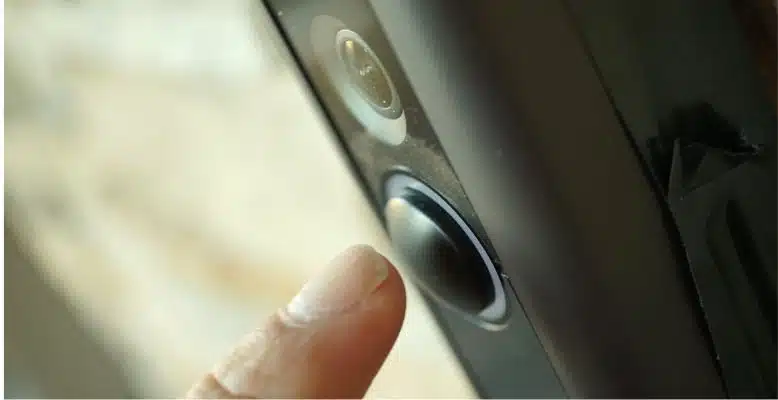
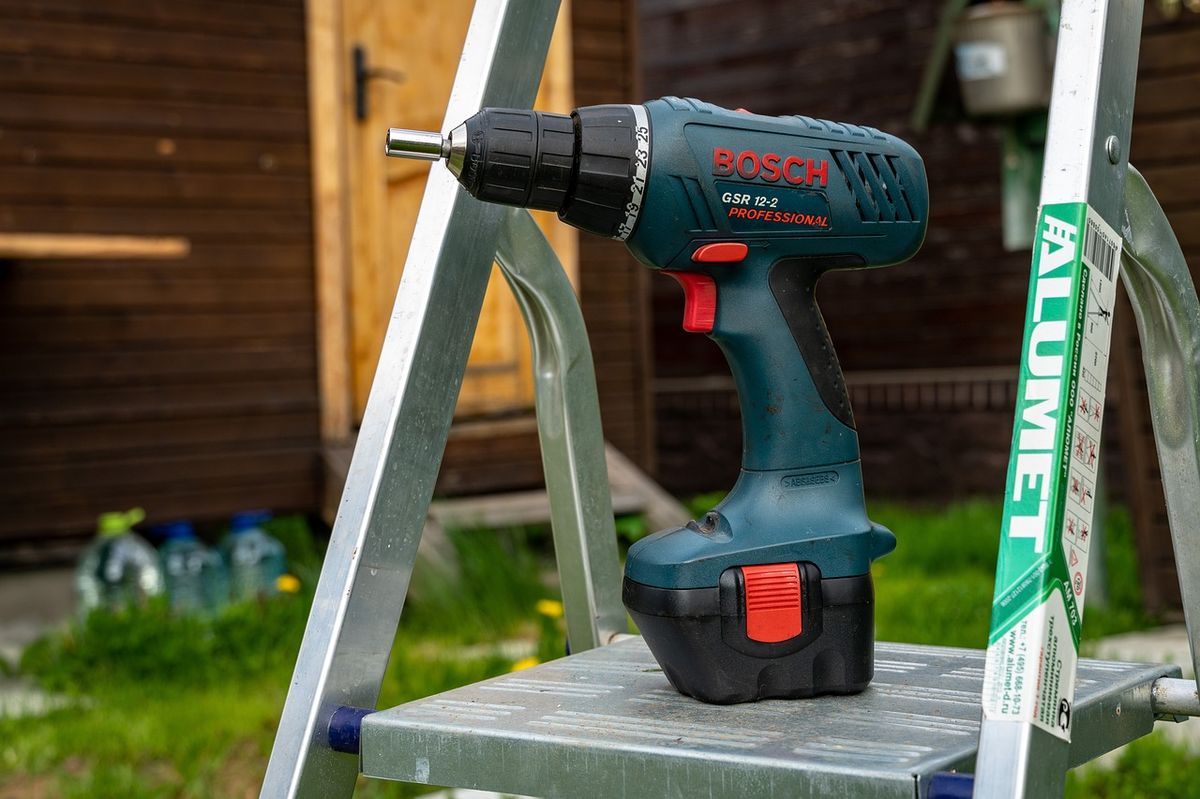
The Blink Video Doorbell installs in about 20 minutes whether you're going battery-only or tapping into your existing doorbell wiring. No electrician required, no smart home hub required – just a drill (or not, depending on your surface), two AA batteries, and your phone.

This guide covers both installation methods: battery-only and wired. Pick your path below.
What's in the Box
Every Blink Video Doorbell ships with:
- Blink Video Doorbell unit
- Flat mounting plate + 30-degree angled mounting bracket
- Mounting screws and weatherproofing washers
- 2x AA lithium batteries (use these – don't substitute alkaline or rechargeable)
- Door chime connector cable (the small adapter that protects mechanical chimes)
- Drill template for marking screw holes
What it does not include: a Sync Module. If you have other Blink cameras, you're covered. If not, the doorbell will still work without one – but some features (like on-demand Live View) are limited until you add a Blink Sync Module 2. More on that in the app setup section below.
Battery-Only vs. Wired: Which Is Right for You
Here's the honest version of the choice:
- Battery-only – No existing doorbell wires? Renting? Don't want to touch your chime system? Battery-only is your path. You get up to 2 years of battery life on a good day. Zero wiring required.
- Wired – If you have existing 16-24VAC doorbell wiring (which most houses built after about 1970 do), connect those wires to the two terminals on the back plate. The wired connection trickle-charges the AA batteries, extending battery life significantly. It does not replace the batteries – the doorbell always runs on the AAs internally, the wire just keeps them topped up.
A common misconception: wired mode does not mean the doorbell draws wall power directly. The AA lithium batteries are always the actual power source. The wired connection is a slow charger for those batteries. This is why Blink specifies non-rechargeable AAs – the charging current is so low it won't damage them, but you still want lithium chemistry for the voltage curve and temperature range. Energizer Ultimate Lithium AAs are the go-to here.
Wired also enables your existing indoor chime to ring. Battery-only gives you app notifications only (unless you add a Blink Mini or separate chime).
Installation Steps
The app guides you through this in real time – but it helps to know what's coming before you're standing outside with a drill in one hand and your phone in the other.
Battery-Only Installation
Wired Installation
Before starting: flip the breaker for your doorbell circuit. It’s low-voltage transformer power, not 120V, but you still don’t want live wires loose while you’re working.
App Setup After Installation
Once the doorbell is on the wall and connected, the Blink app has a few settings worth sorting out before you call it done.
Do You Need a Sync Module?
Short answer: no, but it changes what you can do.
Without a Sync Module, the doorbell runs in Event Response mode. You get motion alerts and can use Live View and two-way audio – but only by tapping the notification within 60 seconds of it arriving. You can't pull up a live feed on demand whenever you feel like it.
With a Blink Sync Module 2, Live View works on demand any time, and battery life is meaningfully better. If you already have one for other Blink cameras, just add the doorbell to that existing system in the app.
Settings to Configure
- Motion sensitivity – Start at the midpoint; adjust down if you get too many alerts from passing cars or trees.
- Motion zones – Mask out the road or neighbor's driveway to cut false positives. This is in the camera settings under “Motion Zones.”
- Chime type – If wired, confirm this matches your actual chime (mechanical vs. digital). A mismatch won't break anything, but the chime may not ring correctly.
- Video quality – The doorbell records at 1080p by default. You can drop to 720p to extend battery life if that's a priority.
For a full rundown of everything the Blink app can do, the Blink camera settings guide covers it in detail – most of the settings apply directly to the doorbell.
Troubleshooting Common Installation Problems
Doorbell Won't Snap Into the Mount
Make sure the back plate is fully flat against the wall – any gap or tilt and the doorbell won't seat properly. Also check that the angled bracket (if you're using it) is fully flush. Wipe the contact points if there's any debris, then try again with firm downward pressure after hooking the top tab.
“Wired Power Not Supported” Alert in the App
This means the doorbell is connected to wires but isn't getting a valid signal. Most common causes: your transformer is below 16V, the chime wiring has a break, or the doorbell is connected to a doorbell transformer that's also powering something else and running undervoltage. Confirm your transformer output with a multimeter. If it's reading below 16V under load, replace the transformer or switch to battery-only.
Doorbell Not Connecting to WiFi
The Blink Video Doorbell is 2.4GHz only – it will not see a 5GHz network. If your router broadcasts a combined “smart” SSID that auto-selects the band, the doorbell may still struggle. The reliable fix: temporarily split your 2.4GHz and 5GHz networks into separate SSIDs in your router settings, connect the doorbell to the 2.4GHz one, then re-combine if you want. Also check that your router isn't more than about 30-40 feet away with walls in between – the doorbell's WiFi radio isn't particularly strong.
Indoor Chime Not Ringing
Three things to check: (1) Confirm you selected the correct chime type in the Blink app settings. (2) If you have a mechanical chime, confirm the door chime connector cable is installed on the chime terminal – without it, the doorbell may suppress the chime signal to protect the solenoid. (3) Make sure the wiring voltage is in the 16-24VAC range. Below that and the chime signal may be too weak to trigger the solenoid.
How to Remove the Doorbell from the Mount
Use the included pin tool (it's a T15 Torx-style tool) to press the release point on the bottom of the back plate while sliding the doorbell upward simultaneously. If you've lost the tool, a T15 Torx screwdriver works fine as a replacement.
Mounting Options Beyond the Included Bracket
The included flat mount and 30-degree angled bracket handle most situations. But if your door setup is awkward, there are purpose-built options:
No-Drill Mount (Apartments / Renters)
Adhesive and clamp-based mounts attach to your door frame without any drilling. Most use a pressure clamp that grips the door edge. Search Amazon for “Blink Video Doorbell no-drill mount” – there are several options, typically $15-25. These do limit the viewing angle somewhat and aren't as secure, but they're fine for renters.
Vinyl Siding Mount
Vinyl siding doesn't hold standard screws well. Vinyl siding mounting brackets for the Blink doorbell use a hook-and-clamp method that grips the siding profile without drilling.
Brick or Concrete Mount
Standard masonry screws work fine – use a hammer drill with a masonry bit, same diameter as the screw. If you'd rather not drill, exterior-rated adhesive mounts can hold the doorbell (it's not heavy) but expect to replace them every couple of years as the adhesive degrades in heat and moisture cycles.
Corner Mount
If your door is right next to a wall corner, a Blink corner mount angles the doorbell 45 degrees to face the approach path directly.