

This post contains affiliate links. If you buy through them, DumbSwitches may earn a commission at no extra cost to you. See our full disclosure.
Zuli is dead. The company shut down its cloud services around 2018-2019, the app stopped working, and every Zuli Smartplug out there became a fancy plastic paperweight. If you found this page because your Zuli stopped responding, that’s why – there’s no fix, no workaround, and no one at Zuli to call.
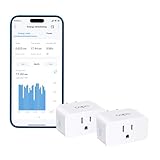
The good news: HomeKit-compatible smart plugs in 2026 are better, cheaper, and more reliable than Zuli ever was. This page covers what happened to Zuli and, more importantly, which plugs to actually buy today.
What Happened to Zuli?
Zuli was a San Francisco startup that launched the Smartplug around 2015-2016. It ran on Bluetooth LE and built a mesh network between plugs – genuinely clever for the time. It had presence detection, energy monitoring, and HomeKit support. Reviews were mostly positive.
Then the company quietly imploded. By 2018, users started reporting login errors and app crashes. By 2019, it was clear no one was home at Zuli – support went silent, the app was abandoned, and the plugs stopped working entirely. The hardware requires the Zuli app to function, so when the app died, the plugs died with it.
You can still find Zuli Smartplugs on eBay listed as “app doesn’t work.” That’s an accurate description. Don’t buy them.
The Best HomeKit Smart Plugs in 2026
The HomeKit plug market has genuinely matured. Matter support is now standard at the mid-range, Thread is widespread at the upper end, and you can get a solid plug for under $10 per unit if you buy in a pack. Here’s what’s actually worth buying.
Eve Energy – Best Overall
The Eve Energy is the gold standard for HomeKit plugs. It runs Matter over Thread, which means it connects directly to your HomeKit network without a hub and doubles as a Thread router – improving your whole mesh as you add more of them. It also includes real energy monitoring with historical tracking, all handled locally with no cloud dependency.
At around $40, it’s not cheap for a single plug. But Thread reliability is noticeably better than Wi-Fi plugs, and the privacy angle (no data ever leaves your home) is a genuine differentiator. If you’re building out a HomeKit home properly, start here.
Meross Smart Plug Mini – Best Budget Pick
If you just need plugs that work with HomeKit and don’t want to spend $40 each, the Meross Smart Plug Mini 4-Pack comes out to around $7-8 per plug and has been the reliable budget HomeKit option for years. HomeKit pairing is via code scan – takes about 30 seconds. It handles 15A and supports scheduling, timers, and Siri control without a hub.
No energy monitoring, no Thread. But for turning a lamp on at sunset or cutting power to a coffee maker remotely, it does exactly what it needs to do at a price that doesn’t sting if one breaks.
Kasa KP125M – Best Matter Plug
The Kasa KP125M is TP-Link’s Matter-certified plug with energy monitoring, and it hits a sweet spot: Matter compatibility means it works with HomeKit, Alexa, Google Home, and SmartThings from one setup. Compact design, 15A/1800W max, UL certified. The 2-pack runs around $20, making it a solid mid-range option if you want Matter without paying the Eve Energy premium.
Requires a Matter hub (HomePod, HomePod mini, Apple TV, or iPad) to work with HomeKit. If you already have one – and you probably do – that’s a non-issue.
These three cover the common cases. For the full current lineup – including picks for energy monitoring without Matter and for controlling several devices from one outlet – see our complete best smart plugs guide.
How to Set Up a HomeKit Smart Plug (Any Brand)
Once you have a current plug, setup takes under two minutes. The process is identical across Eve Energy, Meross, Kasa, and every other HomeKit-certified plug.
Plug it in
Plug the smart plug into a standard wall outlet. Most plugs have a small LED that flashes during setup mode – check your product’s instructions if it doesn’t light up.
Open the Home app on your iPhone
Tap the + icon in the top right corner of the Home app, then select ‘Add Accessory’. The app will open the camera to scan a HomeKit code.
Scan the HomeKit code
Every HomeKit plug ships with an 8-digit HomeKit pairing code on the box or on the plug itself. Point your camera at the QR code or enter the code manually. The app handles the rest.
Name it and assign it to a room
Give the plug a name that matches what’s plugged into it (e.g. ‘Desk Lamp’ or ‘Coffee Maker’). Assign it to the right room. This is what Siri uses when you say ‘Hey Siri, turn off the desk lamp.’
Set up automations (optional)
In the Home app, go to Automations to create schedules or triggers. Common setups: turn on at sunset, turn off at 11pm, or trigger when you arrive home. No third-party app needed – it all runs from the Home app.
What About the Kasa Smart Plug?
If you want a deeper look at Kasa specifically, we’ve got a full Kasa Smart Plug Mini review and a complete Kasa setup guide. Kasa is the most popular HomeKit plug brand on the site for good reason – TP-Link is a real company that supports its products, unlike certain San Francisco startups we could mention.
Also worth reading: our guide to the best uses for smart plugs if you’re still figuring out where to deploy them around your home.