

This post contains affiliate links. If you buy through them, DumbSwitches may earn a commission at no extra cost to you. See our full disclosure.
The Ring Doorbell 2 was discontinued in 2020, replaced by newer models – but millions of them are still mounted on front doors and still causing headaches. If yours has gone offline, stopped sending alerts, or decided to drain its battery in three days flat, this guide covers the real fixes.
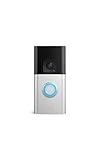
A quick note before you dig in: Ring no longer sells the Doorbell 2, and if you end up needing a replacement, the Ring Battery Doorbell Plus is the current model worth considering – head-to-toe 1536p video, USB-C charging, and 6-8 month battery life.
Not Connecting to Wi-Fi
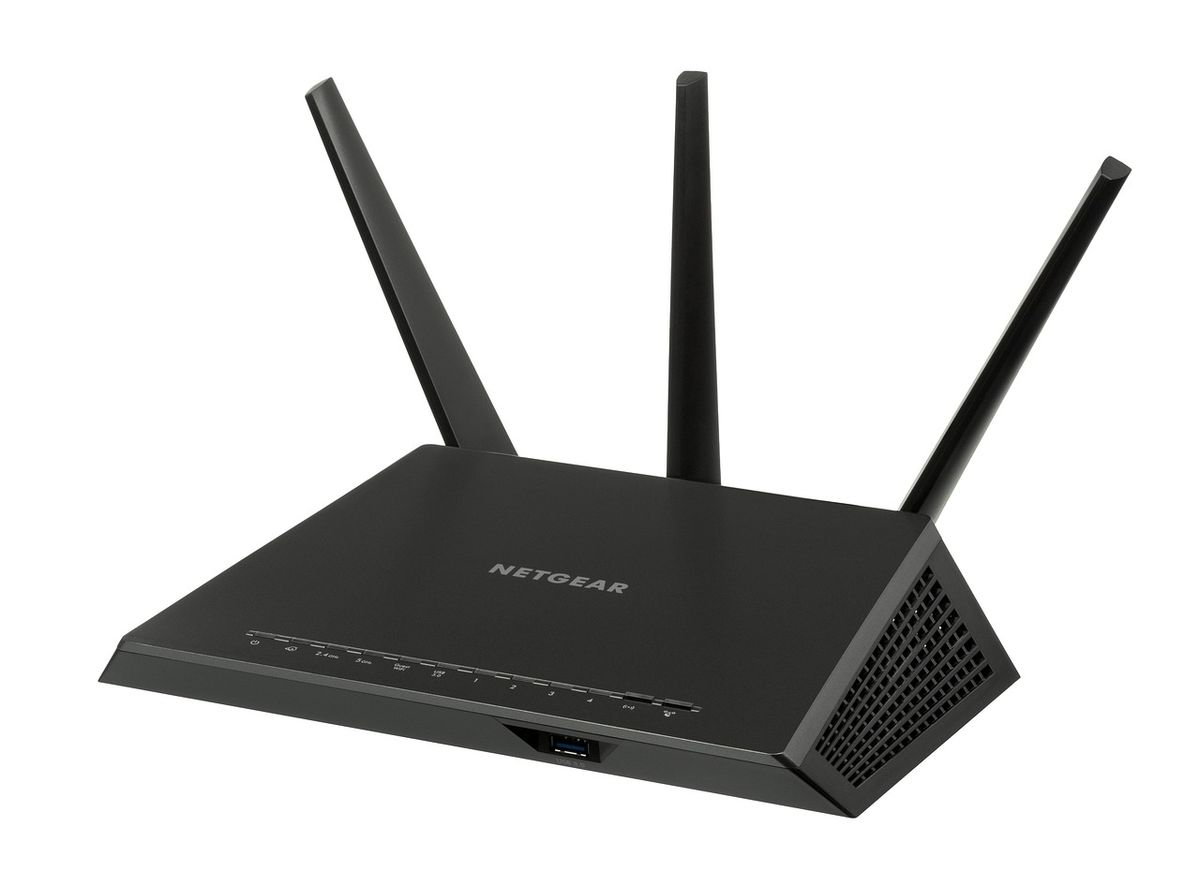
Wi-Fi issues are the most common Ring problem and the most commonly misdiagnosed. Before you do anything else, open the Ring app, go to Device Health, and check the RSSI number. This tells you your actual signal strength at the doorbell.
An RSSI of -65 or better is the minimum you want. Anything worse than -70 means the signal is too weak to hold a reliable connection – and no amount of rebooting will fix that. You need the doorbell closer to the router, or a Wi-Fi extender between them.
Other things to check: the Ring Doorbell 2 only works on 2.4 GHz networks, not 5 GHz. If your router broadcasts both bands under the same name, the doorbell may be trying to connect to the wrong one. Also confirm the Wi-Fi password is still correct – if you changed your router password and did not update Ring, it will sit there looking confused.
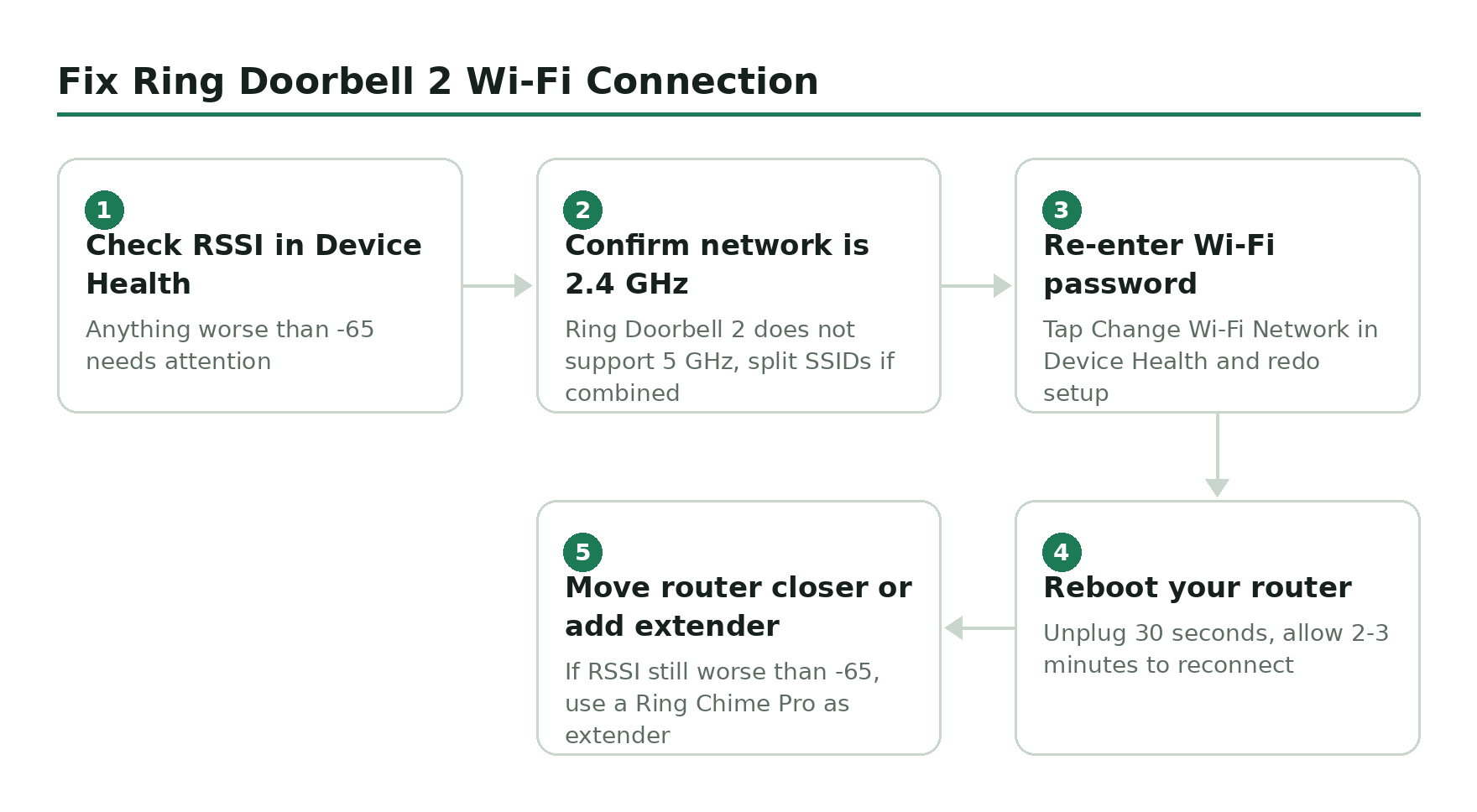
Open Ring app and go to Device Health
Tap the three lines (menu) > Devices > your doorbell > Device Health. Check the RSSI value. Anything worse than -65 needs attention.
Confirm you are on 2.4 GHz, not 5 GHz
The Ring Doorbell 2 does not support 5 GHz. If your router broadcasts both bands with the same name, split them into separate SSIDs and connect Ring to the 2.4 GHz one.
Re-enter your Wi-Fi password
In Device Health, tap Change Wi-Fi Network and go through setup again. This also refreshes the connection if your password changed recently.
Reboot your router
Unplug your router for 30 seconds. Once it is fully back online, check whether the doorbell reconnects automatically. Give it 2-3 minutes.
Move the router closer or add an extender
If RSSI is consistently worse than -65, physical distance is the problem. A Ring Chime Pro doubles as a Wi-Fi extender and pairs directly with Ring devices.
Battery Draining Too Fast
Per Ring’s own support docs, three things kill battery life faster than anything else: high motion event volume, cold weather, and a weak Wi-Fi signal. The last one surprises people – a doorbell with a poor RSSI reading constantly disconnects and reconnects, and each reconnect chews through battery.
Check these settings in the Ring app if your battery is not lasting more than a week or two:
- Motion sensitivity – if it is maxed out and you live on a busy street, you will get hundreds of motion events per day. Dial it back.
- Motion frequency – set this to “Regularly” or “Occasionally” rather than “Frequently” if you do not need every single movement captured.
- Motion zones – trim these so the doorbell is not triggered by passing cars or pedestrians on the sidewalk.
- Cold weather – if temperatures are below freezing, battery drain increases significantly. This is a lithium battery chemistry issue, not a bug. Bring it inside to charge and keep it as warm as possible when mounted.
Ring also notes that overcharging degrades battery capacity over time. Stop charging at around 90% if you can – do not leave it plugged in indefinitely.
Slow or Missing Notifications
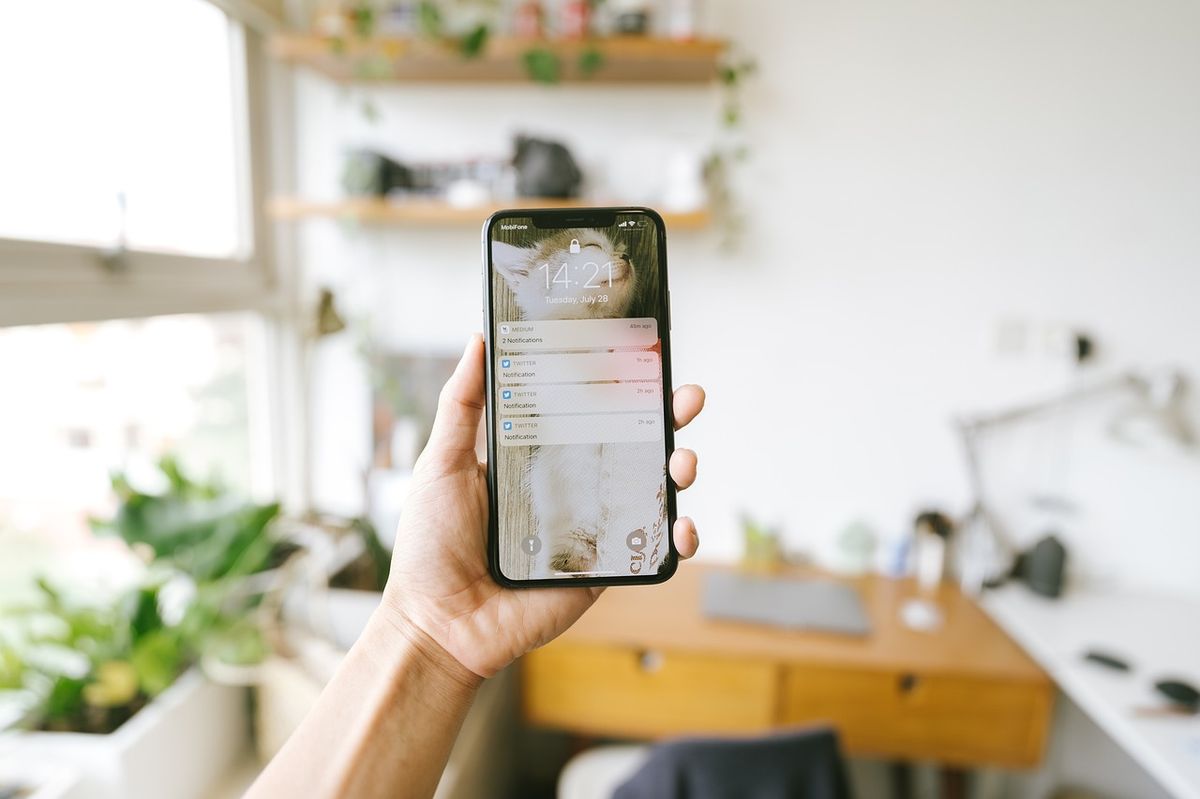
If you are not getting motion alerts or ding notifications on your phone, there are two separate places to check: the Ring app and your phone’s system settings. Both have to be right or notifications will not come through.
Check Ring app notification settings
In the Ring app, go to your doorbell > Motion Settings. Confirm Motion Alerts is toggled on. For doorbell presses, go to Device Settings > Notification Settings and confirm Ring Alerts is on.
Check phone-level notification permissions
On iPhone: Settings > Notifications > Ring > Allow Notifications. On Android: Settings > Apps > Ring > Notifications > ensure they are allowed and not set to silent.
Disable Do Not Disturb or Focus modes
Ring notifications are silenced by iOS Focus modes and Android Do Not Disturb. Add Ring as an allowed app in your Focus settings if you want alerts to come through regardless.
Check your motion zones
Go to Motion Settings > Motion Zones. If your zone does not cover the area you are watching, events in that area will not trigger an alert.
Confirm the device is online
An offline doorbell cannot send any notifications. Go to Device Health and confirm status shows Connected. If it shows Offline, fix the Wi-Fi connection first.
Doorbell Offline or Not Responding
The doorbell is showing Offline in the app and will not come back. Before assuming hardware failure, work through these in order.
- Reboot your router first. Power it off for 30 seconds and let it fully restart. A significant number of Ring offline issues are actually router issues.
- Check Ring server status at status.ring.com. Ring has had cloud outages – notably in October 2025 tied to an AWS DNS failure. If the servers are down, no local fix will help.
- Remove and re-add the device. In the Ring app, go to Device Settings > General Settings > Remove Device. Then re-add it through the standard setup process. This re-establishes the cloud registration and often fixes persistent offline status.
- Factory reset as a last resort. Press and hold the orange button on the back for 20 seconds until the light flashes several times. You will need to set the device up from scratch, but this clears any corrupted firmware state.
Live View Not Working
Live View launches but buffers indefinitely, shows a black screen, or fails to connect. This is almost always a network issue, not a device issue.
Check RSSI first – anything worse than -65 will cause Live View problems before it affects basic connectivity. The video stream requires sustained bandwidth in a way that motion alerts do not.
If your signal is fine, the issue may be router port blocking. Ring Live View requires outbound access on ports 80, 443, and 9002 (HTTPS), plus TCP ports 8557, 9998, 9999, and 19302, and UDP 16500-65000. Home routers rarely block these, but corporate networks and some ISP-provided routers do. Check your router’s firewall settings if you have customized them.
Also try: force-close the Ring app and reopen it. Make sure the app is up to date – older versions have bugs that affect Live View on current Ring servers.
Motion Not Triggering
The doorbell is online and connected, but motion events are not being captured. Three settings are worth checking immediately.
- Motion Zones – open Motion Settings > Motion Zones in the Ring app and verify the zone covers the area you expect. If you drew the zone too tight, motion outside of it will not register.
- Motion Sensitivity – this slider is in Motion Settings. If it is set too low, small or distant movement will not break the threshold.
- Motion Frequency – check Motion Settings > Motion Frequency. If this is set to “Occasionally,” the doorbell enforces a cooldown period between events. Set it to “Frequently” or “Regularly” if you need consistent capture.
- Snooze – if you or someone else recently hit the Snooze button in the app, motion alerts will be paused. Check Motion Settings for an active snooze timer.
Not Ringing Inside the House
Someone presses the button and nothing happens inside. This is either a chime configuration issue or a volume issue – rarely a hardware failure.
- In the Ring app, go to Device Settings > In-Home Chime Settings. Confirm the chime type is set correctly (mechanical, digital, or none).
- Check volume. Mechanical chimes have a physical volume adjuster on the chime unit itself – some people turn these down and forget about them.
- If you have a mechanical chime and it worked before but stopped, check whether the chime is on Ring’s Doorbell 2 compatibility list. Not all mechanical chimes work with Ring.
- Digital chimes (Ring Chime and Chime Pro) need to be online and within range to ring. Check Device Health on the chime if you have one.
Light Patterns Explained
The LED ring on the front of the device tells you what state it is in. Here is what the common patterns mean:
- Blue light flashing – setup mode, waiting to pair with Wi-Fi.
- Blue light spinning – booting up or processing a reset.
- Solid blue light – connected and working normally.
- Solid white light – charging (when battery is removed and being charged).
- No light at all – battery is dead or the doorbell is not receiving power.
- Red lights (2 or 4) – hardware issue or battery fault. Try removing, inspecting, and reinserting the battery. If this persists, contact Ring support – the Doorbell 2 is no longer under warranty from most purchase dates but Ring sometimes offers replacement credits.
How to Reset and Hard Reset
A reset clears the current Wi-Fi configuration and returns the doorbell to setup mode. A hard reset (factory reset) clears everything including any stored settings and firmware state. Use the hard reset only if nothing else has worked.
Soft reset (reconnect to Wi-Fi)
Press and hold the orange button on the back of the doorbell for 10-15 seconds until the light flashes white. This puts it back into setup mode. Use the Ring app to reconnect to Wi-Fi.
Hard reset (factory reset)
Remove the battery from the doorbell. While the battery is out, press and hold the orange button for 30 seconds. Reinsert the battery and wait for it to boot. The light will spin blue, then flash, indicating it is ready for fresh setup.
Re-add the device in the Ring app
After either reset, open the Ring app, tap Set Up a Device > Doorbells, and follow the on-screen prompts to reconnect. You will need to re-enter your Wi-Fi password and reconfigure your motion zones.