

This post contains affiliate links. If you buy through them, DumbSwitches may earn a commission at no extra cost to you. See our full disclosure.
The Ring Doorbell 2 connects to SmartThings – it still works for existing owners, even though Ring pulled the model from sale years ago. Here’s how the integration works now, what changed since the original guides were written, and what you actually get out of it (spoiler: no live video in SmartThings, but the automation side is solid).
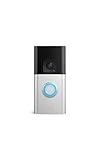
Quick Facts Before You Start
- Ring Doorbell 2 is discontinued – replaced by the Ring Battery Doorbell Plus if you’re buying new
- The SmartThings Classic app is dead – all setup goes through the current SmartThings app
- Old Groovy IDE custom device handlers no longer work – Ring’s integration is now handled entirely on Ring’s end as a partner integration
- Live video does NOT stream through the SmartThings app – you still need the Ring app for that
- What you DO get: doorbell press triggers, motion event triggers, and the ability to fire SmartThings automations from those events
How To Set Up Ring Doorbell 2 With SmartThings
The setup flow changed significantly since the Classic app era. You’re not hunting through the Groovy IDE or installing custom SmartApps. It’s now a standard partner device connection through the SmartThings app.
Open the SmartThings app and tap the Devices tab at the bottom
Tap the + icon (top right) then tap Add device
Choose By device type, select Doorbells, then choose Ring from the brand list
Log in with your Ring account credentials when prompted
Select which Ring devices to share with SmartThings and confirm
Your Ring Doorbell 2 will now appear in the SmartThings device list, ready for automations
If Ring doesn’t show up in the Doorbells section, try searching for “Ring” in the Add Device search bar. The in-app category lists aren’t always complete.
What You Can Actually Do Once It’s Connected
The integration gives SmartThings visibility into two Ring events: doorbell button presses and motion detections. That’s the trigger side. On the action side, anything else in your SmartThings ecosystem can respond.
- Lights on doorbell press: Front porch light, hallway light, or any smart bulb turns on when someone rings. Useful if you’re in a back room and want a visual cue without relying on phone notifications.
- Lights on motion detection: Same idea, triggered by movement rather than a ring. Useful for deterrence, or for lighting a path when you approach at night. You can also pair it with Ring’s own motion zone settings to tighten up which motion events fire it.
- Smart lock coordination: If you have a SmartThings-connected lock, you can configure automations that unlock the door remotely after you’ve confirmed who’s there via the Ring app. The two apps do stay separate – you verify in Ring, then act in SmartThings.
- Mode changes: Set your SmartThings hub to “Home” mode automatically when motion is detected at the door – useful if you’re running schedules that arm/disarm other devices based on occupancy.
- IFTTT automations: For anything not natively available in SmartThings routines, IFTTT bridges Ring and SmartThings with pre-built applets. Doorbell press – send a notification to Slack, log to a spreadsheet, flash a smart bulb a specific color – it’s all there if you want to go deeper.
The One Thing This Integration Won’t Do
You cannot watch your Ring doorbell’s live video feed inside the SmartThings app. This gets asked constantly, and the answer is no – Ring keeps video streaming locked to the Ring app. SmartThings sees the device as an event source (someone pressed the button, motion was detected), not as a camera stream.
For Samsung TV owners: there’s a separate integration that lets you view Ring video on a compatible Samsung TV. That’s a different connection – not through SmartThings routines.
A Note on the Ring Doorbell 2 Being Discontinued
Ring stopped selling the Doorbell 2 a few years back. If you already own one, the integration above still works – Ring hasn’t killed support for it. But if yours dies and you’re replacing it, the current equivalent is the Ring Battery Doorbell Plus, which has improved video quality, head-to-toe view, and the same battery-powered form factor. It connects to SmartThings the same way.
If you’re also in the market for a SmartThings hub, the Aeotec Smart Home Hub is the Samsung-certified hub that runs SmartThings. Samsung exited the standalone hub hardware business a few years ago and Aeotec picked it up – it’s the same platform, different badge on the box.
What Changed From the Old SmartThings Classic Guides
Most older guides for this integration reference steps that no longer apply. Here’s what’s dead:
- SmartThings Classic app – retired 2020, replaced by the current SmartThings app
- Groovy IDE (graph.api.smartthings.com) – shut down August 2023; any custom device handlers built there are gone
- Custom Ring SmartApps / community-maintained integrations that relied on Groovy – also dead
- The SmartThings “Marketplace” tab where you’d install SmartApps – no longer exists in the current UI
The current integration is simpler but less customizable. Ring owns and maintains the partner connection on their end, which means Ring decides what events SmartThings can see – and for now, that’s button presses and motion. No battery level, no video, no two-way audio through SmartThings.
For most people that’s enough. Doorbell press – lights on is a genuinely useful automation. The rest you handle in the Ring app anyway.